Policy Blog
Policy Blog: Economic Conversations and Leadership Dynamics
This week, economic challenges and leadership perceptions shape Australian political discourse.

Polling
Preferred Prime Minister
As of late June 2026, Anthony Albanese leads as the preferred Prime Minister with a score of 33, followed by Pauline Hanson at 23 and Angus Taylor at 11. The aggregate 'Unsure' sits at 23, indicating a segment of voters that remains uncertain about leadership preferences.
As of 22–26 Jun · RedBridge · Leadership approval polling · Wikipedia polling
- Anthony Albanese (Australian Labor Party) — 33% (+0.0 pts vs prior poll)
- Pauline Hanson (Pauline Hanson's One Nation) — 23% (+0.0 pts vs prior poll)
- Angus Taylor (Liberal Party of Australia) — 11% (+0.0 pts vs prior poll)
- Unsure — 23%
Top 3 party leaders + Unsure, per Wikipedia Preferred PM tables.
Weekly Political Pulse
Economy
This week's political pulse focuses on the economy, highlighting the significant impact of inflation, housing, and employment discussions on everyday Australians.
236 statements · All statements this week
This week, the economy takes center stage in Australian politics, with discussions around housing, inflation, and employment dominating the conversation. For everyday Australians, the implications of these discussions are significant, particularly as cost-of-living pressures continue to mount. The government's responses, opposition critiques, and the ongoing challenges faced by various sectors illustrate a complex economic landscape that directly impacts households across the nation.
- The Albanese government's $145 million investment in crisis housing aims to support nearly 10,000 Victorians struggling with accommodation.
This initiative is crucial for those facing homelessness, as it addresses immediate needs while highlighting the broader housing crisis affecting many Australians.
- Rising inflation remains a pressing concern, with the Nationals' Kevin Hogan pointing out that Australia has one of the highest rates among OECD countries.
This situation places additional financial strain on families, particularly as prices for essentials like food and fuel continue to rise.
- The delay in visa processing for agricultural workers, as highlighted by Anne Webster from the Nationals, poses a risk to the farming sector.
Farmers waiting up to 40 days for visas could face labor shortages during critical harvest periods, affecting food supply and prices, which ultimately impacts consumers.
- The Liberal Party's Andrew Bragg warns that new taxes could lead to fewer first home loans, exacerbating the already tough housing market for young Australians.
With home ownership becoming increasingly elusive, this could further entrench economic divides and limit opportunities for many families.
- Pauline Hanson and Malcolm Roberts from One Nation emphasize the need for accountability regarding wage theft, particularly affecting casual coal miners owed substantial amounts.
This issue highlights the vulnerabilities faced by workers in various industries and the importance of fair pay, which is essential for maintaining economic stability for households.
As the political landscape evolves, households and communities should keep an eye on how these economic discussions translate into tangible actions. With One Nation currently leading in primary vote support, the shifting political dynamics could influence policy directions and responses to ongoing economic challenges. Voters will be keenly aware of how these debates affect their daily lives, particularly in relation to housing affordability, job security, and overall financial well-being.
Impact
What This Means for Australians
The discussions surrounding the economy this week have significant implications for everyday Australians. The Albanese government's commitment to investing in crisis housing aims to alleviate immediate challenges faced by thousands of Victorians, addressing homelessness and the broader housing crisis. Rising inflation, highlighted by the Nationals, underscores the financial strain on families, as essential goods become increasingly expensive. Furthermore, concerns raised by the Liberal Party regarding potential new taxes affecting first home loans could hinder young Australians' aspirations for home ownership, deepening economic divides. As these debates unfold, voters are likely to feel the direct impact of policy decisions on their daily lives, particularly in areas such as housing affordability, job security, and overall financial stability.
Next week
What to Watch Next Week
As economic discussions continue to evolve, it will be crucial to monitor how government policies adapt to address rising inflation and housing shortages, alongside the potential implications of leadership dynamics on these issues.
Media
Further Listening
Recent listening episodes provide valuable context on political and economic dynamics, enhancing understanding of current issues.

Sky News Australia · 2026-09-06
Gianni Infantino refuses to address his FIFA future

Karl Stefanovic · 2026-09-06
Host's hilarious on-air mishap | Today Show Australia

Friendlyjordies · 2026-09-05
Palantir: You Should be Afraid of this Company
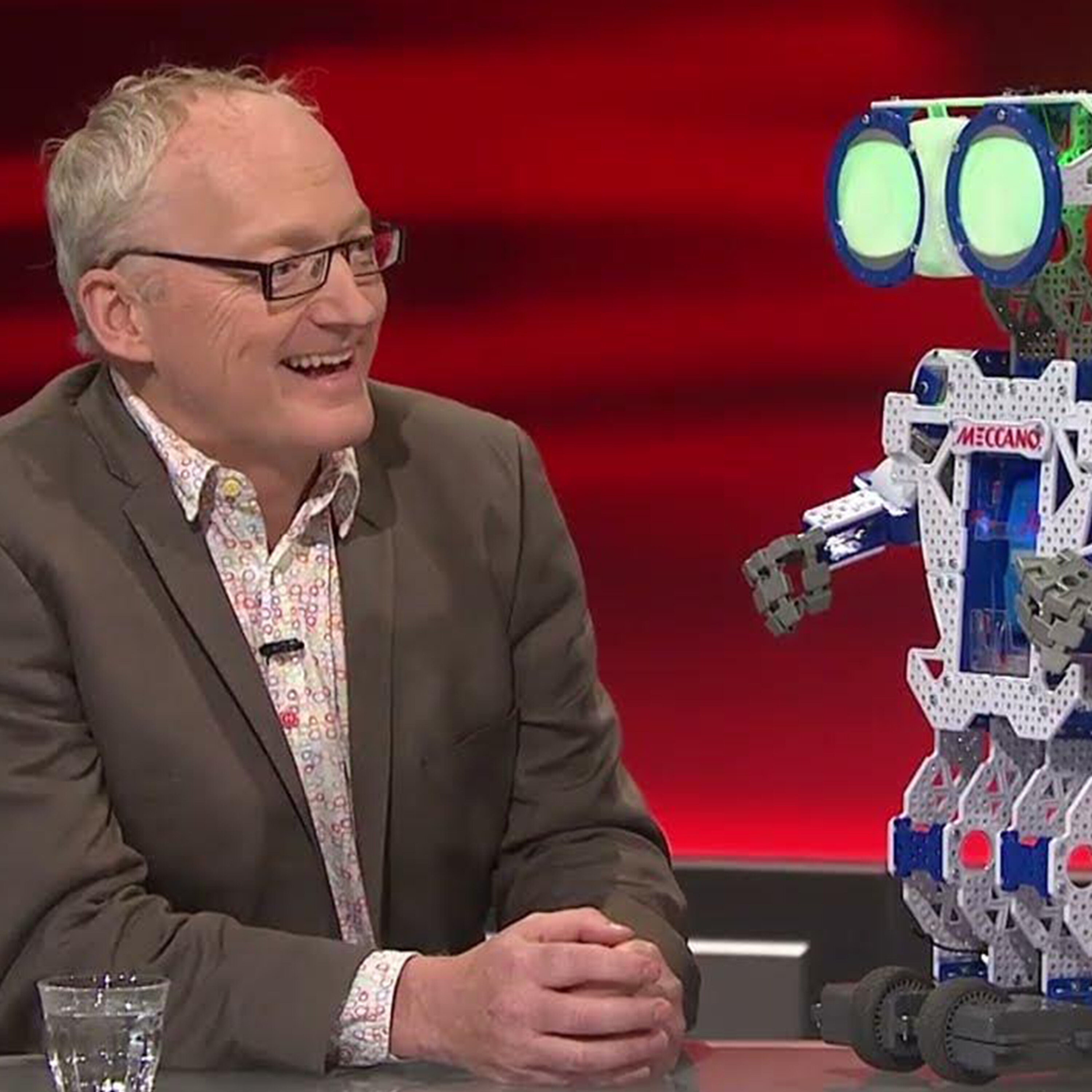
Serious Danger (Tom Ballard) · 2026-09-05
UNLOCKED: AI Professor Toby Walsh explains data centres

Pauline Hanson's Please Explain · 2026-09-05
Labor’s lies

The Karl Stefanovic Show · 2026-08-24
Can Scientists Actually Make Old Cells Young Again? Dr Buck Parker Explains

The Politic · 2026-07-03
From Critics at Large: An American Playlist
Subscribe free
Don't miss next week's edition
Sunday email delivery with the briefing snapshot and a link to the latest Policy Blog post.
Get the weekly briefing by email
One email per week with divergences, bills, and plain-English analysis.
Next you will choose email style and confirm communications. Unsubscribe or change style any time from each briefing.