
Policy Blog
Policy Blog: Energy Policy Discussions
This week, energy policy discussions dominate the political landscape as rising costs impact Australian households.

Polling
Preferred Prime Minister
Anthony Albanese leads as preferred Prime Minister with a score of 33, followed by Pauline Hanson at 23 and Angus Taylor at 11. The 'Unsure' aggregate also holds a significant score of 23, indicating a level of uncertainty among voters regarding leadership.
Week-over-week moves: Anthony Albanese -19.0 pts; Angus Taylor -24.0 pts. Lead margin for Anthony Albanese is shifting — voters may read this as a leadership stability signal.
As of 22–26 Jun · RedBridge · Leadership approval polling · Wikipedia polling
- Anthony Albanese (Australian Labor Party) — 33% (-19.0 pts vs prior poll)
- Pauline Hanson (Pauline Hanson's One Nation) — 23%
- Angus Taylor (Liberal Party of Australia) — 11% (-24.0 pts vs prior poll)
- Unsure — 23%
Top 3 party leaders + Unsure, per Wikipedia Preferred PM tables.
Weekly Political Pulse
Energy
This week's Political Pulse focuses on the significant impact of energy policy on everyday Australians.
231 statements · All statements this week
The ongoing discussions around energy policy are crucial for everyday Australians, particularly as they grapple with rising costs and the implications for their households. Energy prices directly affect the cost of living, and the government's approach can have far-reaching consequences on everything from housing affordability to healthcare access.
- Jason Clare from the Labor Party emphasizes the importance of education and training in the context of energy, suggesting that better-prepared graduates in health and other fields can contribute to a more stable workforce.
This could mean improved healthcare access for Australians, particularly as energy costs strain budgets, making preventative care even more vital.
- On the other hand, Andrew Bragg from the Liberal Party has highlighted concerns about the government's energy policies, which he argues are leading to higher costs for households.
If energy prices continue to rise, families may find it increasingly difficult to manage their budgets, particularly as they face other rising costs like housing and groceries.
- Pauline Hanson from One Nation has criticized the government's approach to energy projects, alleging that they are environmentally and socially destructive.
This sentiment reflects a broader concern that energy policies may not only impact costs but also the long-term sustainability of local communities, which could lead to job losses in traditional sectors.
- The National Party's Michael McCormack has pointed out the adverse effects of Labor's water buybacks, linking them to the agricultural sector's struggles.
As energy policies affect water availability for irrigation, farmers may face increased costs that could trickle down to food prices, impacting the overall cost of living for Australian families.
- Angus Taylor, the Leader of the Opposition, has called for a more comprehensive energy strategy that balances affordability with sustainability.
If the opposition can present a viable alternative, it may resonate with voters concerned about their energy bills and economic security.
As households navigate these discussions, they should keep an eye on how the government’s energy policies evolve, especially as costs continue to rise. Voter sentiment may shift if the public perceives that their leaders are failing to address these pressing issues effectively. Polling reflects a divided sentiment, with significant support for both the Labor Party and One Nation, indicating that energy policy will be a key battleground in the upcoming political landscape.
Impact
What This Means for Australians
The ongoing discussions around energy policy are crucial for everyday Australians, particularly as they grapple with rising costs and the implications for their households. Energy prices directly affect the cost of living, and the government's approach can have far-reaching consequences on everything from housing affordability to healthcare access. Jason Clare from the Labor Party emphasizes the importance of education and training in the context of energy, suggesting that better-prepared graduates in health and other fields can contribute to a more stable workforce. This could mean improved healthcare access for Australians, particularly as energy costs strain budgets, making preventative care even more vital. On the other hand, Andrew Bragg from the Liberal Party has highlighted concerns about the government's energy policies, which he argues are leading to higher costs for households. If energy prices continue to rise, families may find it increasingly difficult to manage their budgets, particularly as they face other rising costs like housing and groceries. Pauline Hanson from One Nation has criticized the government's approach to energy projects, alleging that they are environmentally and socially destructive. This sentiment reflects a broader concern that energy policies may not only impact costs but also the long-term sustainability of local communities, which could lead to job losses in traditional sectors. The National Party's Michael McCormack has pointed out the adverse effects of Labor's water buybacks, linking them to the agricultural sector's struggles. As energy policies affect water availability for irrigation, farmers may face increased costs that could trickle down to food prices, impacting the overall cost of living for Australian families. Angus Taylor, the Leader of the Opposition, has called for a more comprehensive energy strategy that balances affordability with sustainability. If the opposition can present a viable alternative, it may resonate with voters concerned about their energy bills and economic security. As households navigate these discussions, they should keep an eye on how the government’s energy policies evolve, especially as costs continue to rise. Voter sentiment may shift if the public perceives that their leaders are failing to address these pressing issues effectively. Polling reflects a divided sentiment, with significant support for both the Labor Party and One Nation, indicating that energy policy will be a key battleground in the upcoming political landscape.
Next week
What to Watch Next Week
As energy policies are debated, Australians should monitor the government's responses to rising costs and the potential impact on their everyday lives.
Media
Further Listening
Recent episodes provide context on political issues, especially regarding energy policy.

Sky News Australia · 2026-07-27
Iran accuses Ukraine of deadly Caspian Sea attack

Karl Stefanovic · 2026-07-27
What Spider-Man story will the films adapt next? | Today Show Australia

The Karl Stefanovic Show · 2026-07-26
The Karl Stefanovic Show Live From Rockhampton

Pauline Hanson's Please Explain · 2026-07-26
Hastie.

Friendlyjordies · 2026-07-26
Pauline Hanson once again putting Gina Rinehart's interests over Australia's
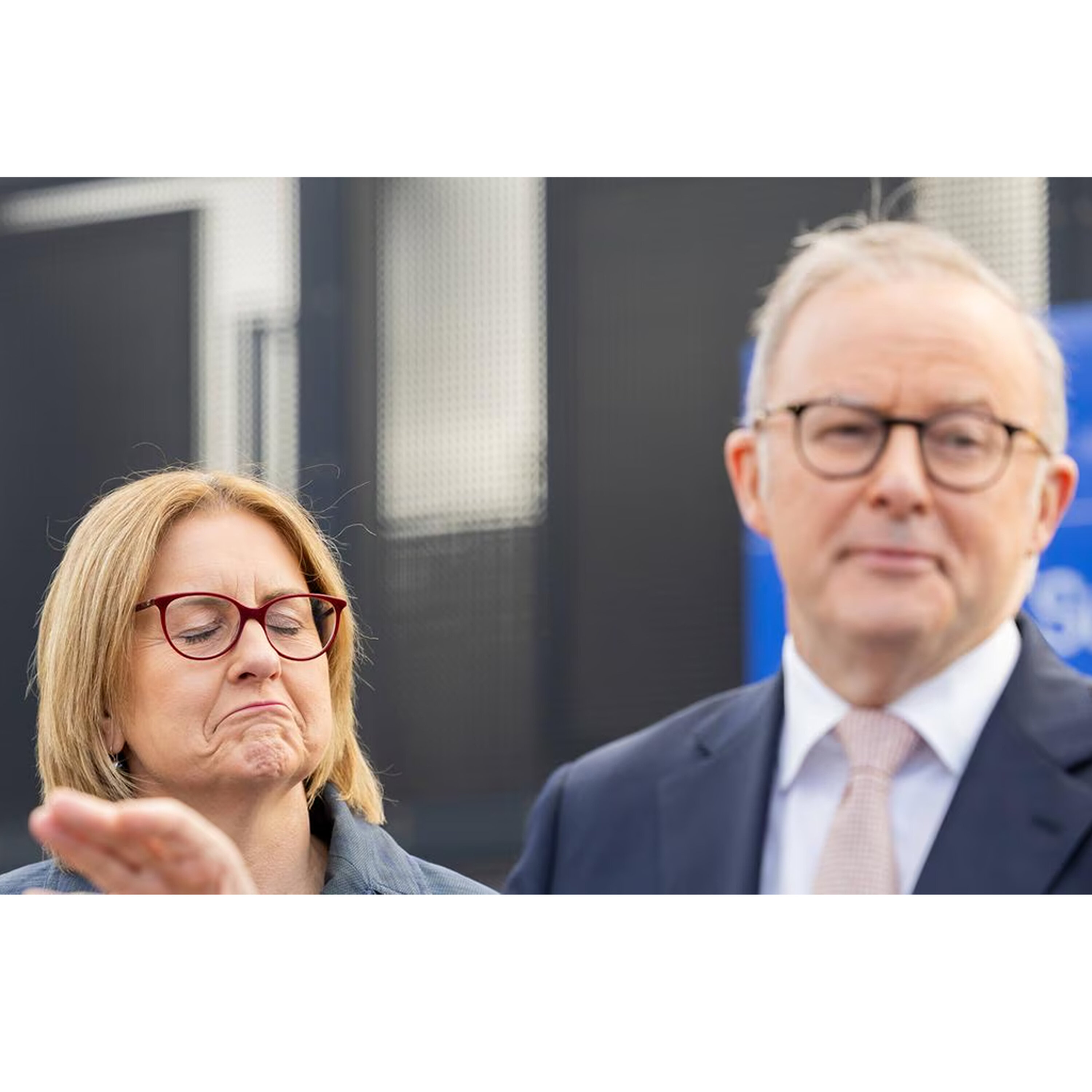
Serious Danger (Tom Ballard) · 2026-07-25
235: Vic election update with Campbell Gome & Brittney Henderson

The Politic · 2026-07-03
From Critics at Large: An American Playlist
Subscribe free
Don't miss next week's edition
Sunday email delivery with the briefing snapshot and a link to the latest Policy Blog post.
Get the weekly briefing by email
One email per week with divergences, bills, and plain-English analysis.
Next you will choose email style and confirm communications. Unsubscribe or change style any time from each briefing.