
Policy Blog
Policy Blog Overview: Week of 2026-08-02
This week, the focus on defence, housing, and cost of living highlights significant political discussions impacting everyday Australians.

Polling
Preferred Prime Minister
Anthony Albanese leads with a score of 33, followed by Pauline Hanson at 23 and Angus Taylor at 11. The Unsure aggregate also stands at 23, reflecting significant uncertainty among voters regarding leadership preferences.
As of 22–26 Jun · RedBridge · Leadership approval polling · Wikipedia polling
- Anthony Albanese (Australian Labor Party) — 33% (+0.0 pts vs prior poll)
- Pauline Hanson (Pauline Hanson's One Nation) — 23% (+0.0 pts vs prior poll)
- Angus Taylor (Liberal Party of Australia) — 11% (+0.0 pts vs prior poll)
- Unsure — 23%
Top 3 party leaders + Unsure, per Wikipedia Preferred PM tables.
Weekly Political Pulse
Defence
This week's political pulse centres on defence, highlighting its importance for national security and the welfare of Australians.
400 statements · All statements this week
This week, defence emerged as a focal point in Australian political discourse, underscoring its significance in the context of national security and international relations. As Australia navigates a complex global landscape, the government's approach to defence cooperation and military readiness directly impacts the safety and security of everyday Australians. The discussions around defence are not just about military might; they also reflect on the values of sacrifice, honour, and the commitment to protect the freedoms that Australians cherish.
- The ongoing emphasis on defence cooperation with nations like Singapore, highlighted by Minister Penny Wong, suggests that the government is prioritising international partnerships.
This could lead to enhanced stability in the region, which is crucial for Australian families who rely on a secure environment for their livelihoods and well-being.
- As we reflect on the contributions of veterans, particularly during commemorations like Korean Veterans' Day, there's a growing recognition of the sacrifices made by defence personnel.
This acknowledgement can foster a greater sense of community and respect for those who serve, which is vital for maintaining morale and support for current military operations.
- The political rhetoric surrounding defence also intersects with economic considerations, particularly as the government allocates resources towards military readiness.
Investments in defence can create jobs and stimulate local economies, which is especially important for communities dependent on defence contracts and related industries.
- The call for transparency and accountability in government actions, as voiced by figures like Angus Taylor and Kevin Hogan, highlights public concern about trust in leadership.
For households, this translates into a demand for clear communication about how defence spending affects their taxes and overall budget priorities, especially amid rising costs of living.
- The ongoing discussions around housing and the economy, as raised by Andrew Bragg, indicate that the implications of defence policy extend beyond military concerns.
There is a palpable anxiety about how defence commitments might divert funding from crucial areas such as healthcare and education, which directly impact the quality of life for many Australians.
Looking ahead, it will be essential to monitor how the government balances its defence commitments with pressing domestic issues like cost of living and housing. As public sentiment shifts, particularly with One Nation gaining ground in polling, the government may need to reassess its priorities to ensure that the voices of everyday Australians are heard and considered in defence planning. The interplay between national security and domestic welfare will be a crucial area to watch as the political landscape evolves.
Policy
New & Updated Policies
Key policies discussed include housing, cost of living, and healthcare, all of which have direct implications for everyday Australians.
- Housing — alp
Labor’s current settings include the Housing Australia Future Fund for social/affordable supply, the Australian Government 5% Deposit Scheme (expanded from Oct 2025 with no place/income caps but price caps), Help to Buy shared equity, and Commonwealth Rent Assistance for eligibl…
Relevant Impact Framework pillars: Housing / rent. - Cost of living — one-nation
One Nation links cost-of-living pressure to immigration levels, fuel taxes and energy policy. Detailed Commonwealth payment or tax-cut schedules for households are limited in our recorded rows.
Relevant Impact Framework pillars: Cost of living; Taxes / budget. - Climate and energy — alp
Labor’s current settings include legislated 2030 emissions reduction targets, the Capacity Investment Scheme for renewables/storage, and the Safeguard Mechanism for large emitters. Household energy bill relief has been delivered periodically.
Relevant Impact Framework pillars: Cost of living; Climate / environment. - Housing — one-nation
One Nation’s stated housing stance centres on reducing immigration demand and restricting foreign property ownership. Detailed positions on CRA, Help to Buy or HAFF are not recorded as distinct mechanisms in our database.
Relevant Impact Framework pillars: Housing / rent; National security / borders. - Healthcare and Medicare — alp
Labor’s current Medicare settings include bulk-billing incentive changes, cheaper PBS medicines, and Medicare Urgent Care Clinics. Medicare levy and safety net rules continue to apply.
Relevant Impact Framework pillars: Health / aged care. - Healthcare and Medicare — one-nation
One Nation states support for Medicare access for Australians. Distinct redesign of PBS co-payments or bulk-billing incentives is not detailed in our recorded platform rows.
Relevant Impact Framework pillars: Health / aged care. - Housing — liberal
Liberal platform material emphasises increasing housing supply through planning and approval reform, supporting first-home buyers, and relying primarily on private construction rather than large public build funds.
Relevant Impact Framework pillars: Housing / rent. - Climate and energy — liberal
Liberal recorded positions favour including nuclear power, maintaining gas, and a technology-led path to emissions reduction, with household energy affordability as a primary frame.
Relevant Impact Framework pillars: Climate / environment. - Climate and energy — one-nation
One Nation opposes rapid net-zero pathways that it argues raise power prices, and favours conventional fossil generation. Distinct alternative scheme designs are not detailed in our database.
Relevant Impact Framework pillars: Climate / environment. - Tax and superannuation — alp
Current Labor settings include the Super Guarantee rising toward 12%, Payday Super timing reforms, existing contribution caps, and the redesigned Stage 3 personal income tax cuts. Age Pension income and assets tests remain separate Centrelink rules.
Relevant Impact Framework pillars: Taxes / budget.
Impact
What This Means for Australians
The focus on defence this week highlights its critical role in ensuring national security and addressing public concerns about safety. With ongoing discussions about international partnerships, such as those with Singapore, the government's approach may foster regional stability, which is essential for Australian families. Additionally, housing policies are at the forefront, with initiatives like the Housing Australia Future Fund aiming to alleviate the pressures of rising costs. These measures are crucial for ensuring access to affordable housing, particularly for first-home buyers. Furthermore, the dialogue surrounding cost of living pressures, particularly from One Nation, underscores the intersection of immigration policies and household financial stability. As Australians grapple with rising living costs, these discussions are vital for understanding the broader economic landscape. The commitment to healthcare improvements, including bulk-billing incentives and cheaper medicines, aims to maintain affordable access to essential services, directly impacting the quality of life for many. Overall, the interplay between defence, housing, and economic policies will be crucial to monitor as the political landscape evolves. The government must balance its commitments to national security with pressing domestic issues, ensuring that the voices of everyday Australians are considered in policy formulation.
Next week
What to Watch Next Week
Watch for developments in defence policy as the government seeks to balance international commitments with domestic priorities, particularly in housing and cost of living. The political discourse surrounding these topics will likely shape voter sentiment leading up to the next election.
Media
Further Listening
Recent episodes provide valuable context on the political discourse and its implications for policy-making.

Karl Stefanovic · 2026-08-02
Former broadcaster Alan Jones in court; tragic firefighter chopper crash | Today Show Australia

Sky News Australia · 2026-08-02
Spain to put new fence on Ceuta’s border with Morocco after mass invasion

Friendlyjordies · 2026-08-02
Autist mode activated

The Karl Stefanovic Show · 2026-08-02
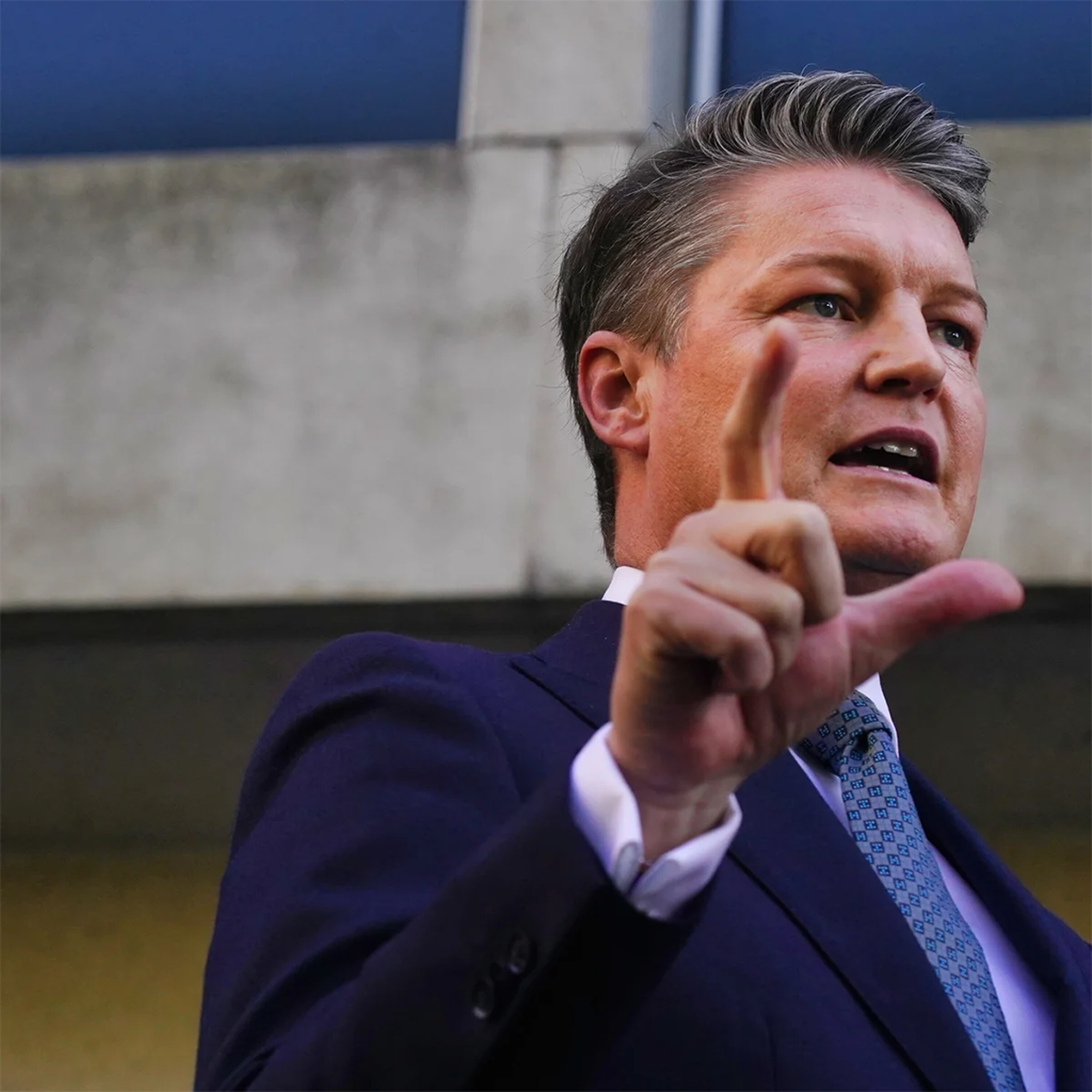
What happened behind closed doors—and why he fought back.
Serious Danger (Tom Ballard) · 2026-08-01
236: Vic premier pushed off glass cliff, Hannah Ferguson vs Albo & should racism be illegal?

Pauline Hanson's Please Explain · 2026-08-01
Spain INVADED: Hanson Reacts

The Politic · 2026-07-03
From Critics at Large: An American Playlist
Subscribe free
Don't miss next week's edition
Sunday email delivery with the briefing snapshot and a link to the latest Policy Blog post.
Get the weekly briefing by email
One email per week with divergences, bills, and plain-English analysis.
Next you will choose email style and confirm communications. Unsubscribe or change style any time from each briefing.